How Indian Businesses Can Use Data to Increase Revenue
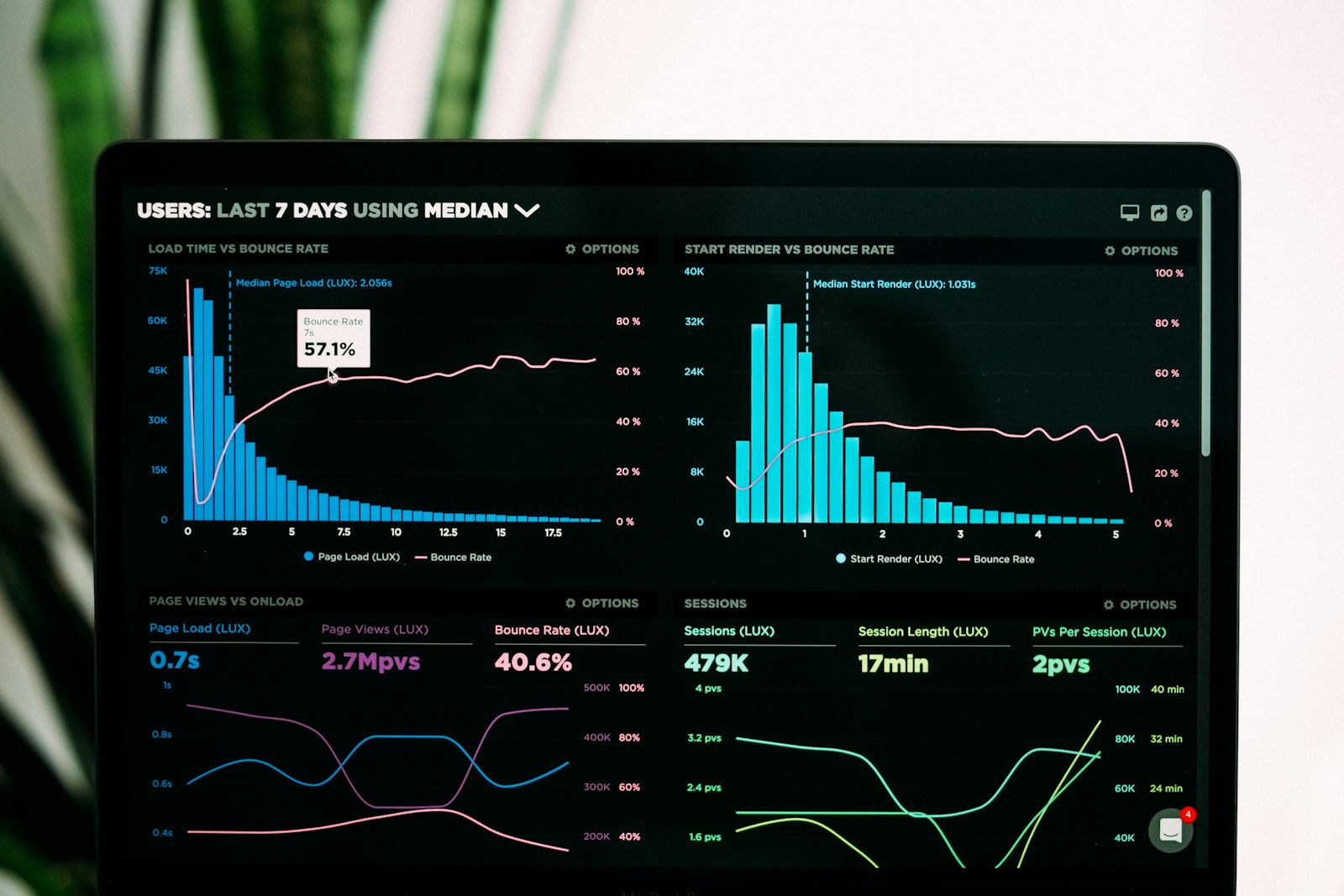
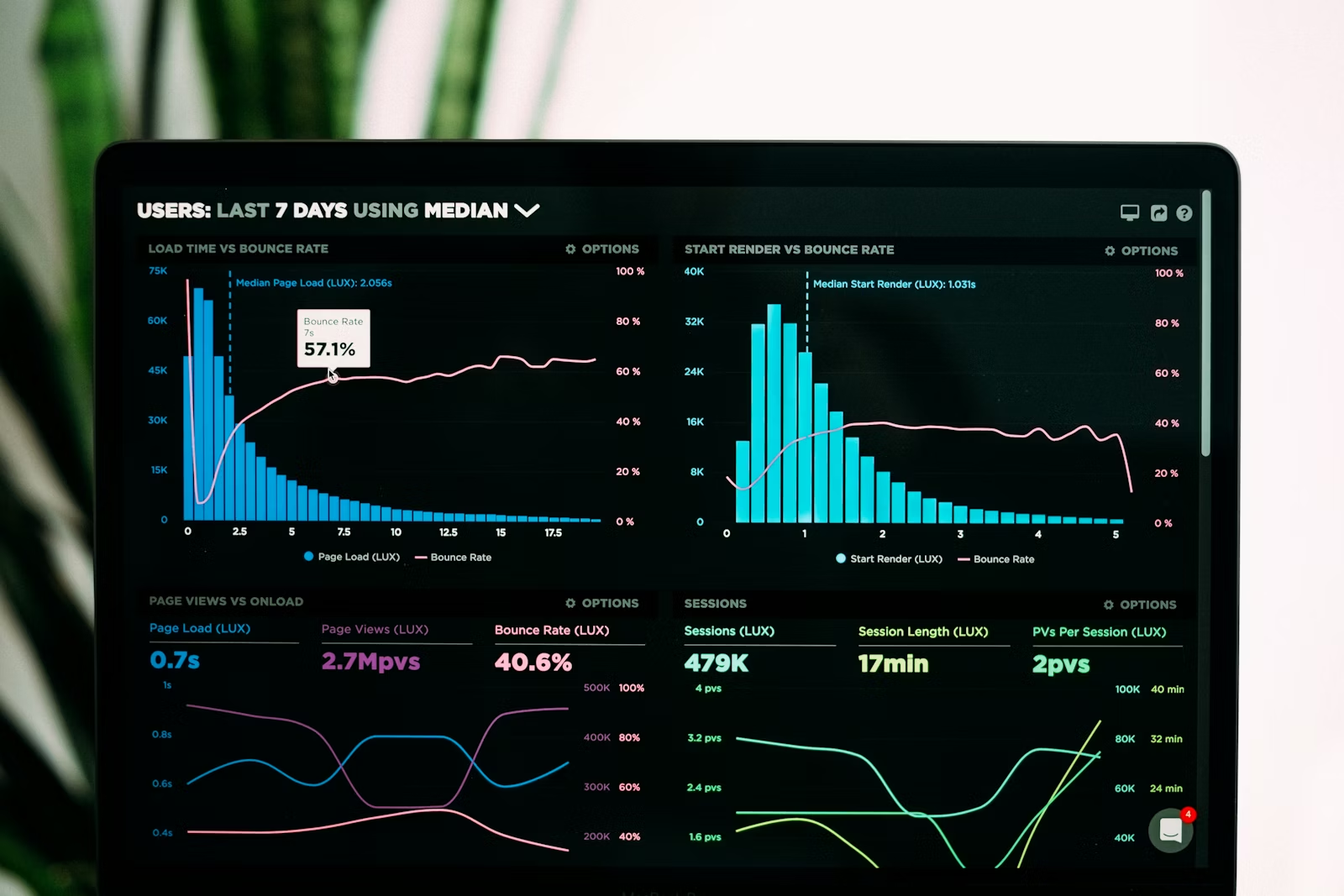
Many Indian businesses collect data every day but very few actually use it to increase revenue. Sales numbers, website visits, customer inquiries, repeat purchase rates, and marketing performance metrics are often tracked but rarely analyzed deeply.
Revenue growth is not random. It is measurable. When businesses start making decisions based on structured insights instead of assumptions, the difference becomes visible within months.
Why Data Matters for Revenue Growth
Without data, business decisions are based on instinct. Instinct works in early stages, but as competition increases, guesswork becomes expensive.
Data helps businesses:
- Identify high-converting customer segments
- Reduce wasted marketing spend
- Improve pricing strategies
- Increase repeat purchase rates
- Optimize sales processes
The goal is not to collect more data. The goal is to interpret existing data properly.
Key Data Sources Businesses Already Have
Most businesses already sit on valuable data without realizing it.
- Website analytics
- CRM records
- Sales transaction history
- Customer feedback
- Marketing campaign reports
When combined, these sources reveal patterns about customer behavior, purchasing triggers, and drop-off points.
Revenue Metrics That Actually Matter
Instead of tracking vanity metrics, focus on revenue-impacting indicators.
| Metric | Why It Matters |
|---|---|
| Customer Acquisition Cost (CAC) | Shows how much you spend to acquire one customer |
| Customer Lifetime Value (CLV) | Indicates long-term revenue per customer |
| Conversion Rate | Measures effectiveness of sales funnel |
| Average Order Value | Identifies upselling potential |
| Retention Rate | Reflects customer loyalty and repeat business |
When CLV is significantly higher than CAC, revenue growth becomes sustainable.
Practical Ways to Use Data for Revenue
1. Improve Marketing Efficiency
Analyze which channels bring customers who actually purchase rather than just click. Redirect budget toward high-performing channels.
2. Optimize Pricing
Data can reveal how price changes affect demand. Small adjustments sometimes increase overall profit without increasing traffic.
3. Increase Customer Retention
Repeat customers are cheaper than new ones. Identify customers who haven’t returned and re-engage them strategically.
4. Reduce Sales Funnel Drop-Off
Analyze where users abandon forms or carts. Even a small improvement in conversion rate can significantly increase revenue.
Common Data Mistakes
- Tracking too many irrelevant metrics
- Ignoring data consistency
- Making decisions from incomplete datasets
- Failing to connect marketing data with sales data
- Overcomplicating dashboards
Clarity is more important than complexity. A simple dashboard focused on core revenue drivers often performs better than a detailed but confusing system.
Frequently Asked Questions
Do small businesses need data analytics?
Yes. Even small businesses can improve revenue by tracking conversion rates, repeat purchases, and marketing ROI.
What tools are required for basic analytics?
Website analytics tools, CRM systems, and structured sales reporting are usually sufficient to begin.
How long before data-driven strategies show results?
Most businesses see measurable improvements within three to six months when analytics are implemented consistently.
Leave a Reply